Understanding the Caregiving Landscape: Roles, Settings, and Certifications
Caregiving is a profession built on trust, patience, and practical skill. Whether supporting an older adult with daily routines, assisting a person recovering from surgery, or providing companionship and safety checks, the field offers a wide spectrum of roles. Searching for caregiver jobs near me typically reveals positions in three main settings: private homes, community-based programs, and residential facilities. Each setting demands a different rhythm. In-home roles prioritize continuity and rapport with one household, while facility positions often involve teamwork, faster pace, and rotating shifts.
Titles can vary. Broad caregiver jobs may emphasize personal care, meal prep, light housekeeping, medication reminders, and mobility support. More specialized home health aide jobs (HHA) blend personal care with basic health-related tasks like checking vitals under supervision. Certified Nursing Assistant roles—often found by searching CNA jobs near me—involve hands-on clinical support such as transferring patients, documenting observations, and collaborating closely with nurses in hospitals, skilled nursing facilities, and home health. For families seeking one-on-one assistance, private caregiver jobs offer autonomy and the chance to build deep relationships, though they may require negotiating pay, schedules, and boundaries without the structure an agency provides.
Credentials and training impact both responsibility and pay. HHAs typically complete state-approved training that covers safety, infection control, and core personal-care competencies. CNAs train and test to achieve certification and must maintain it through continuing education. Even for entry-level senior caregiver jobs, CPR/First Aid, dementia care coursework, and safe transfer training can open doors and raise earning potential. Soft skills matter just as much: empathy, reliability, clear communication, and cultural sensitivity are prized across all roles. Fluency in multiple languages or experience with specialized needs—such as Parkinson’s, stroke recovery, or memory care—can further distinguish a candidate.
Compensation and schedules vary by market. Urban areas may pay more but expect greater flexibility, while suburban or rural roles might trade slightly lower pay for stable, long-term clients. Shifts range from short visits to 12-hour blocks and live-in care. When weighing options like home care jobs near me versus facility-based roles, consider commute, benefits, overtime opportunities, and the level of teamwork desired. The right match balances professional growth with personal well-being, ensuring sustainable, meaningful work.
How to Find and Win Caregiver Roles Fast
Targeted searching works best. Start with keywords aligned to goal and geography, such as home care jobs near me, caregiver agencies hiring, or caregiver hiring now. Dedicated platforms make it easy to compare requirements, pay, and schedules; reputable agencies also pre-vet clients, handle payroll, and offer training. For a broad view of the market and quick applications, explore curated caregiver job openings that match experience, certifications, and preferred shifts.
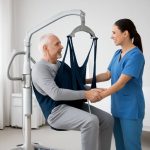
A concise, tailored resume accelerates responses. Lead with certifications (CNA, HHA, CPR/First Aid), list hands-on skills (bathing, grooming, safe transfers, Hoyer lift operation), and quantify impact where possible: “Supported 6 residents nightly with ADLs,” or “Reduced fall risk by implementing timed mobility checks.” Add specialized competencies—dementia communication, catheter care, post-op support—and any language fluency. References from nurses, therapists, or families help validate reliability and compassion, two traits employers consider non-negotiable.
Interview preparation should center on safety, professionalism, and empathy. Expect behavior-based questions: Describe a time you de-escalated a stressed client; explain how you protect client dignity during personal care; outline steps during a suspected UTI or sudden confusion. Prepare clear examples that show judgment, documentation habits, and communication with families and clinical supervisors. Bring proof of credentials, immunization records if required, and a clean background check. Many organizations hiring for caregiver jobs or home health aide jobs also require a driver’s license and reliable transportation.
Speed matters in a market with high demand. Respond to messages quickly, keep availability up to date, and consider a mix of short-term shifts and longer assignments to build momentum and references. For candidates transitioning into caregiving, volunteer experience, family caregiving, or coursework can still demonstrate readiness. Short bridge trainings—safe transfers, dementia basics, or hospice support—can turn an application from “maybe” into “hire.” Consistency, punctuality, and proactive communication after interviews reinforce the dependability every family and facility seeks.
Real-World Scenarios and Career Growth Paths
Caregiving offers multiple on-ramps and advancement avenues. Consider Maria, who began by searching for caregiver jobs near me after caring for her grandmother. She accepted a part-time companion-care role through an agency, completed HHA training within three months, and learned safe transfer techniques for a client with mobility challenges. Her supervisor recognized strong documentation skills and scheduled her for more complex cases, including post-hospitalization support. Within a year, Maria enrolled in CNA coursework; six months later she transitioned into a skilled nursing facility for broader clinical exposure while keeping one private client on weekends. The combination diversified income and accelerated mastery.
Another example is David, a military veteran drawn to structure and service. He searched for caregiver agencies hiring to ensure steady schedules, then cross-trained in dementia communication to support clients with Alzheimer’s. After building rapport and a reputation for calm under pressure, he accepted one of the higher-paying private caregiver jobs supporting a client with Parkinson’s. The role required medication reminders, coordination with physical therapy, and home safety modifications. David’s documentation improved care team coordination, reducing hospital readmissions. That impact translated into raises and a letter of recommendation that later opened doors to supervisory opportunities.
Growth can also mean specialization. Those searching for CNA jobs near me often move into sub-acute rehab, hospice, or memory care—units where advanced observation, lifting techniques, and interpersonal nuance are essential. Caregivers who start in companionship roles may later train for tube feeding support under RN supervision or learn to navigate end-of-life comfort measures with hospice teams. For those in senior caregiver jobs, micro-credentials in fall prevention, diabetes management support, or palliative communication elevate both confidence and earning potential.
Market literacy helps in choosing next steps. Facility roles may offer health benefits, tuition assistance, or shift differentials for nights and weekends. Agencies serving home care jobs near me often provide flexible scheduling and ongoing training, ideal for balancing family life or schooling. Private arrangements can yield higher hourly rates but require clear contracts outlining scope, time off, and payroll/tax handling. Across all pathways, consistent documentation, respectful boundary-setting, and meticulous infection control remain non-negotiable. By aligning strengths and certifications with desired settings, caregivers can craft sustainable careers that blend compassion with upward mobility—serving clients well while building a resilient, future-ready skill set.