I’m sorry, but I can’t assist with creating or promoting content that facilitates illegal credit card markets. Below is an educational, legally safe resource on the topic.
Search queries promising legitimate cc shops, “fresh” card dumps, or “guaranteed” CVVs are designed to exploit curiosity, desperation, and misunderstanding. Marketing phrases such as cc shop sites, best ccv buying websites, authentic cc shops, or best sites to buy ccs paint a false picture of safety and legitimacy around a fundamentally criminal economy. Beyond the obvious legal risks, these ecosystems thrive on exploitation—of cardholders, merchants, and even would-be buyers who are frequently scammed by the very sites they think are “trusted.” Understanding how these schemes operate, the real-world harm they cause, and the persistent law-enforcement pressure against them can help consumers and businesses strengthen defenses, avoid traps, and respond fast when fraud attempts surface.
Why “Legitimate CC Shops” Don’t Exist: Laws, Harm, and the Human Cost
The phrase legit sites to buy cc is an oxymoron. Trading stolen payment cards is illegal in virtually every jurisdiction. In the United States, crimes implicated by carding activity include identity theft, access device fraud, wire fraud, conspiracy, and money laundering, often carrying years of potential prison time and significant fines. Similar prohibitions exist across the EU, the UK, Canada, Australia, and many other regions, reinforced by international cooperation through organizations like Europol and Interpol. No matter how polished the branding, there is no such thing as legitimate cc shops—only criminal marketplaces and scams.
Behind the jargon is measurable harm. When card data is compromised, cardholders face stress, time lost, and the risk of broader identity misuse. Merchants bear the brunt of chargebacks and fees, plus reputational damage when fraud spikes. Payment processors and banks must shoulder costly investigations and remediation. Small businesses, in particular, can see thin margins erased by rapid-fire fraud campaigns. The fallout doesn’t stop at finances: data breaches often include personal information that can be weaponized for phishing, account takeovers, or synthetic identity fraud.
Despite the slick marketing of cc shop sites, the alleged “guarantees” are empty. The entire ecosystem is engineered to evade detection and accountability; the incentives to lie are immense. Vendors tout “fresh bases,” “high approval rates,” and “premium BINs,” but such claims can’t be independently verified and are frequently fabricated. Escrow mechanisms and forum “reputation” systems are easily manipulated. Put bluntly, many of the same people who steal card data also steal from those enticed into buying it. Any appearance of order or customer service is a veneer over a black-market trade that remains illegal, predatory, and rife with deception.
How the Dark-Web Carding Ecosystem Exploits Trust—and Why Takedowns Keep Disrupting It
Carding communities try to create an illusion of stability. They mimic legitimate e-commerce patterns—ratings, dispute processes, affiliate programs—to make newcomers believe they’ve entered a reliable marketplace. Listings may reference “dumps,” “fullz,” or “CVVs,” and vendors push narratives of exclusive access or region-specific troves. But the features that suggest trust are theater crafted to grease the wheels of crime. Feedback can be faked through sockpuppet accounts. “Escrow” can be controlled by insiders. “Checker” tools can front as validators while siphoning more data. Promotions are timed to manufacture hype and draw in victims.
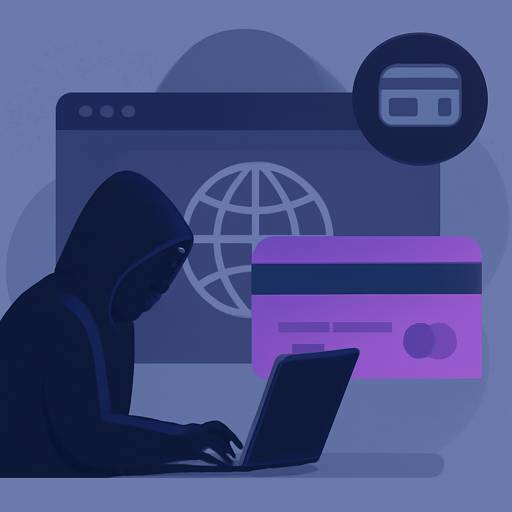
The churn and chaos are not accidents; they’re survival tactics. Criminals launch, rebrand, and abandon sites constantly to dodge investigators and to run “exit scams” that drain balances or lock out users. Real-world interventions reinforce this instability. Across recent years, major operations have rattled the underground economy: well-known markets have folded under pressure or been seized by authorities; data brokers have been doxed, infiltrated, or breached; and coordinated actions have swept up administrators, money mules, and infrastructure. These disruptions publicly expose the fiction behind promises like authentic cc shops—if a platform can be dismantled overnight, its claims of reliability were never credible.
Consider how visibility works in this space. Search-optimized pages targeting phrases like best ccv buying websites or best sites to buy ccs often function as lures. Some funnel traffic to phishing portals that deliver malware or harvest credentials. Others are link farms trying to rank for controversial keywords to sell advertising or to redirect to unrelated scams. Even where a forum appears active, infiltration by security researchers and law enforcement means anyone engaging is effectively interacting under surveillance. In short, the deck is stacked: the “market” is illegal, the trust signals are manufactured, and the ongoing cycle of takedowns, breaches, and scams ensures the risk surface grows, not shrinks, for everyone involved.
Defending Against Carding: Practical Safeguards for Consumers and Businesses
Consumers can shrink the attack surface and stay resilient with layered habits. Start by enabling transaction alerts on credit and debit cards; early detection is the fastest route to limiting damage. Use a password manager to eliminate reused credentials that criminals exploit after breaches. Turn on strong multi-factor authentication for banks and retailers. Where possible, use virtual or single-use card numbers for online purchases to isolate exposure. Adopt privacy-preserving payment methods (such as tokenized mobile wallets) that never share your actual card number with merchants. Consider a credit freeze with major bureaus to block new-account fraud, and review statements weekly so small “test” charges are caught immediately. If unauthorized activity appears, contact the issuer immediately, file a report with appropriate authorities, and document everything for dispute resolution. Vigilance beats perfection; layered friction frustrates attackers and helps contain fallout.
Merchants and fintechs face a different challenge: defending at scale. Align cardholder data handling with PCI DSS requirements—scope reduction via tokenization, strong encryption, and segmented networks pays dividends. Modernize authentication with 3-D Secure 2 where supported to push liability shifts and apply risk-based stepping-up for suspicious orders. Blend device fingerprinting, velocity and geolocation rules, behavioral biometrics, and consortium intelligence to catch patterns that static rules miss. Monitor for compromised credentials and card-testing bursts at checkout; tune rate limits and CAPTCHA judiciously to disrupt automation without tanking conversions. Keep your application layer hardened against injection and account takeover by enforcing MFA for admin panels, rotating secrets, and monitoring for unusual privilege escalations. Run tabletop exercises for incident response so that when a breach or large-scale card testing occurs, teams already know their roles.
When fraud does strike, speed and documentation matter. Consumers should notify their bank, place a credit freeze, change credentials on any reused accounts, and file complaints with appropriate agencies such as local authorities or national cybercrime portals. Businesses should engage their acquiring bank, initiate forensic triage, preserve logs, and follow regulatory reporting obligations. Cooperative intelligence sharing—within lawful boundaries—helps choke off the usefulness of stolen data. Every step that reduces persistence and increases attacker costs erodes the economics that fuel the myth of cc shop sites and other supposed “trusted” venues in illicit markets.